
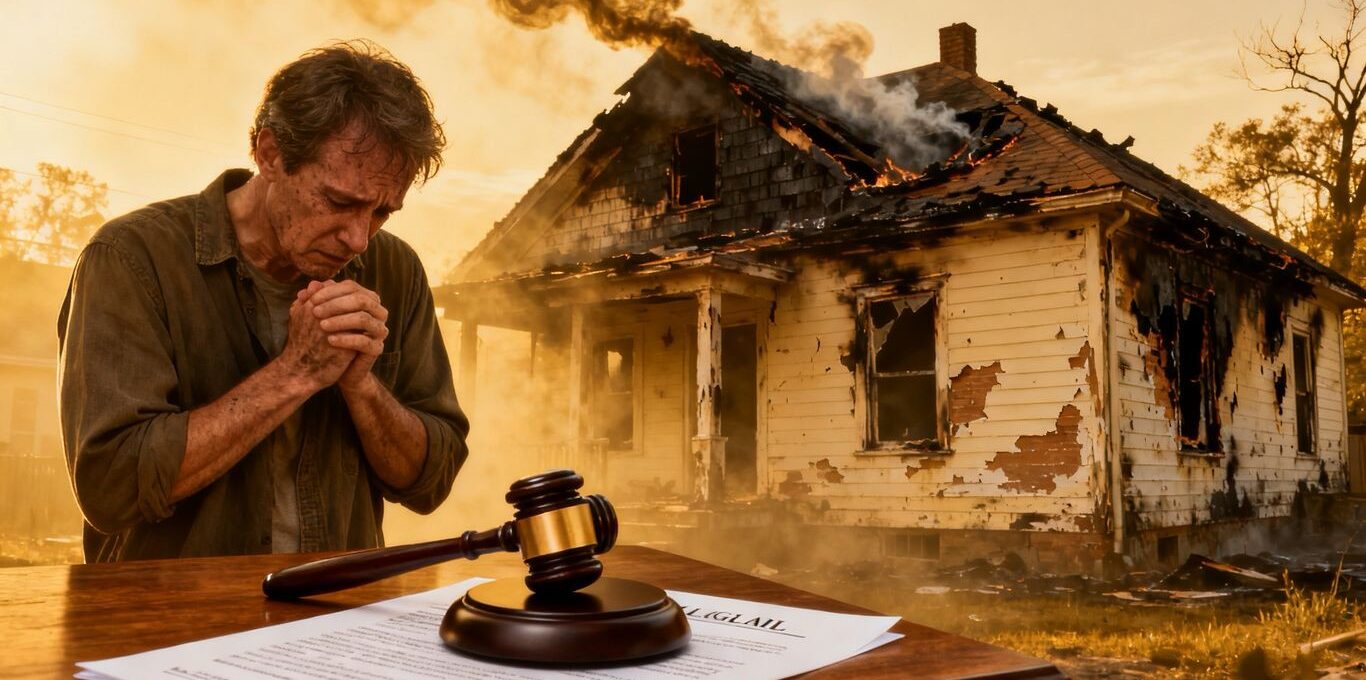

Dealing with the aftermath of a wildfire can be incredibly overwhelming. Beyond the immediate shock and loss, there’s the complex process of recovery, and often, that involves interacting with insurance companies. While many homeowners can manage their insurance claims independently, certain situations signal that professional legal help is needed. Knowing when to bring in a wildfire lawyer can make a significant difference in the outcome of your recovery.
Identifying Potential Negligence
Wildfires aren’t always natural disasters. Sometimes, they are the result of human error or negligence. This could involve utility companies failing to maintain power lines, improper land management practices, or even arson. If there’s a suspicion that a third party’s actions or inactions contributed to the fire that damaged your property, it’s important to investigate this possibility. Proving negligence can be challenging, requiring a thorough examination of evidence, expert testimony, and an understanding of legal standards. A lawyer experienced in wildfire cases can help determine if negligence played a role and pursue legal action against the responsible parties if warranted. This is especially important if the fire was caused by a utility company’s actions, as these cases often involve complex legal battles.
Assessing Insurance Company Practices
Insurance companies are businesses, and their primary goal is to protect their financial interests. While most operate ethically, some may try to minimize payouts or delay claims, especially after a large-scale event like a wildfire. You might encounter tactics such as offering a quick, low settlement, requesting excessive documentation, or misinterpreting policy terms. It’s important to be aware that the first offer from an insurance company might not reflect the true cost of your losses. If you feel pressured, confused by the process, or believe the insurance company isn’t acting in good faith, seeking legal advice is a wise step. An attorney can review your policy, assess the insurance company’s actions, and advocate for fair compensation based on your policy coverage limitations.
Navigating Complex Legal Processes
Wildfire claims can become legally complicated very quickly. This is particularly true if multiple parties are involved, if the damage is extensive, or if the insurance company is being difficult. The legal system has its own set of rules and procedures that can be difficult for a layperson to understand. This includes understanding statutes of limitations, gathering and presenting evidence effectively, and potentially engaging in litigation. If your property was significantly damaged or if you’re facing challenges with your insurance claim, a lawyer can guide you through these complexities. They can help you understand your rights and options, whether that involves negotiating a settlement or preparing for a trial. For many, the peace of mind that comes from having a legal professional handle these intricate matters is invaluable, especially when dealing with fire damage claims.
When to Seek Legal Counsel for Wildfire Damages
Dealing with the aftermath of a wildfire can be incredibly stressful, and figuring out the next steps, especially concerning insurance and compensation, can feel overwhelming. While many homeowners try to manage the claims process themselves, there are specific situations where getting professional legal help makes a significant difference. Knowing when to bring in an attorney can be key to a fair recovery.
After Receiving an Insurance Claim Denial
It’s a disheartening moment when an insurance company denies your claim after a wildfire. This doesn’t necessarily mean you’re out of luck. Insurers sometimes deny claims based on their interpretation of policy language or specific exclusions. However, you have the right to appeal this decision. An attorney experienced in wildfire claims can review the denial, understand the policy’s intricacies, and help you build a case for why your claim should be approved. They can handle the appeals process, communicate with the insurance company on your behalf, and fight for the benefits you are entitled to. If your wildfire insurance claim has been denied, you have the right to appeal the insurer’s decision. This guide provides information on how to challenge the denial and work towards recovering the benefits you are entitled to.
When Offered an Inadequate Settlement
Insurance companies often aim to settle claims quickly, and sometimes the initial offer they present might not fully cover the extent of your losses. This is particularly common with complex claims involving significant property damage. They might underestimate repair costs, overlook certain types of damages, or fail to account for the full cost of rebuilding. Accepting a lowball offer can leave you with insufficient funds to truly recover. A lawyer can help you assess the true value of your claim by working with independent appraisers and contractors. They can then negotiate with the insurance provider to secure a settlement that accurately reflects your losses, preventing you from being shortchanged.
If Your Property Was Significantly Damaged
When a wildfire causes substantial damage to your home or property, the path to recovery can be long and complicated. This includes not only the physical structure but also personal belongings, landscaping, and potentially even loss of use of your home. In such cases, the financial stakes are high, and the details of the claims process can be intricate. An attorney can help you meticulously document all damages, understand your policy’s coverage for various losses, and ensure that all aspects of your recovery are addressed. They can also help you explore options beyond your insurance policy if negligence by another party contributed to the fire. If you’ve been affected by a wildfire, it’s important to take specific steps to recover compensation. These actions are vital for navigating the process and securing the compensation you deserve.
The Role of a Wildfire Attorney in Your Recovery
After a wildfire, the path to recovery can feel overwhelming. Dealing with insurance companies and understanding your legal options can add significant stress to an already difficult situation. This is where a wildfire attorney becomes an invaluable ally. An attorney acts as your dedicated advocate, working to ensure your rights are protected and that you receive the compensation you deserve. They bring a level of knowledge and experience that can make a substantial difference in the outcome of your claim.
Advocating for Fair Compensation
Insurance companies often have their own interests to protect, and their initial offers may not fully reflect the extent of your losses. An attorney’s primary role is to fight for fair compensation on your behalf. This involves:
- Thoroughly evaluating all damages, including property repair, replacement of personal items, and potential loss of income.
- Challenging lowball settlement offers and negotiating directly with insurance adjusters.
- Ensuring that all eligible compensation, including costs for temporary housing and rebuilding, is accounted for.
Gathering Crucial Evidence
Building a strong case requires meticulous evidence collection. Wildfire attorneys understand what types of evidence are most persuasive and how to obtain them. This can include:
- Obtaining official fire investigation reports and expert analyses to determine the cause and origin of the fire.
- Collecting photographic and video evidence of the damage to your property.
- Gathering witness statements and documentation related to your losses, such as receipts for damaged belongings or records of additional living expenses.
Negotiating with Insurance Providers
Insurance policies can be complex, and understanding the specifics of your coverage is vital. Attorneys are skilled in interpreting policy language and identifying any limitations or exclusions that might affect your claim. They will handle all communications with the insurance company, preventing you from inadvertently saying something that could harm your case. Their goal is to reach a settlement that accurately reflects the true cost of your recovery, whether that involves property rebuilding costs or other related expenses. If negotiations fail, they can also advise on further legal action, such as filing a lawsuit against responsible parties if negligence is a factor.
Types of Compensation Available After a Wildfire
When a wildfire sweeps through, the destruction can leave a trail of immense financial hardship. Beyond the immediate shock, homeowners face the daunting task of rebuilding and recovering their losses. Fortunately, various forms of compensation can help alleviate this burden. Understanding what you can claim is the first step toward recovery.
Property Repair and Rebuilding Costs
The most apparent losses after a wildfire are often to your home and surrounding property. This includes the structure itself, but also extends to other structures on your land, like sheds or garages, and even landscaping. The cost to repair or completely rebuild can be staggering, and it’s important to account for every aspect. This might involve:
- Demolition and debris removal
- Foundation and structural repairs
- Roofing and exterior work
- Interior finishing, including walls, floors, and paint
- Replacement of damaged landscaping and outdoor features
The goal is to ensure you can restore your property to its pre-fire condition. This type of compensation aims to cover the direct financial outlay required for reconstruction. For extensive damage, seeking compensation for the complete costs of rebuilding is paramount.
Replacement of Personal Belongings
Wildfires don’t just destroy buildings; they often consume personal items that hold significant value, both monetary and sentimental. This category covers everything from furniture and appliances to clothing, electronics, and keepsakes. Creating a detailed inventory of lost items, along with their estimated replacement cost, is vital for your claim. This can be a difficult process, as memories associated with these items can be painful to revisit, but it is necessary for a full recovery.
Lost Income and Business Interruption
If you own a business or your home was your place of work, a wildfire can lead to significant economic disruption. Businesses may suffer losses due to:
- Damage to the physical premises
- Destruction of inventory or equipment
- Inability to operate due to evacuation orders or damaged infrastructure
- Loss of customers or clients
Individuals may also experience lost income if their employment is affected by the fire, such as if their workplace is destroyed or inaccessible. Compensation in this area seeks to cover the financial gap created by these disruptions, helping to keep households and businesses afloat during the recovery period.
Emotional Distress and Other Non-Economic Damages
Beyond the tangible financial losses, wildfires inflict profound emotional and psychological tolls. The trauma of experiencing such a destructive event, the fear for one’s safety, and the grief over lost possessions and community can lead to significant emotional distress. This can manifest as anxiety, depression, or post-traumatic stress disorder (PTSD). While harder to quantify, compensation for these non-economic damages is possible. It acknowledges the mental and emotional suffering endured and can help cover costs associated with therapy, counseling, and other forms of mental health support. Recovering both economic and non-economic damages is a key aspect of wildfire litigation.
Navigating Insurance Claims with Legal Guidance
Dealing with an insurance claim after a wildfire can feel like trying to solve a puzzle with missing pieces. It’s not uncommon for homeowners to face challenges when trying to get the compensation they deserve. Insurance companies, while there to help, often have their own processes and priorities that can make things complicated.
Understanding Policy Coverage Limitations
Your insurance policy is the foundation of your claim. However, understanding exactly what it covers and what it doesn’t can be tricky. Policies often have specific limits and exclusions that might not be immediately obvious. For instance, some policies might not fully cover the cost of rebuilding with current materials, or they might have separate limits for different types of damage. It’s important to review your policy carefully, and if anything is unclear, seeking clarification is a good idea. Sometimes, the language used can be dense, and a legal professional can help interpret these details to ensure you know your rights and what to expect.
Mitigating Further Damage to Property
After a wildfire, your immediate concern might be assessing the damage, but it’s also vital to take steps to prevent the situation from worsening. This is known as mitigating further damage. For example, if your roof has been compromised, covering it with a tarp can prevent rain from causing additional water damage to the interior of your home. Similarly, securing broken windows can stop wind and debris from entering. Documenting these mitigation efforts is also important, as it shows you acted responsibly to protect your property. These actions can be viewed favorably by your insurance company and may be necessary to receive full compensation for repairs. If you’ve lost personal belongings due to a wildfire, it’s important not to panic. Reach out to a skilled legal professional promptly for assistance [0df3].
Communicating Effectively with Insurers
How you communicate with your insurance company can significantly impact your claim. It’s generally advised to report the damage as soon as possible. When speaking with adjusters or representatives, keep your statements clear and factual. Avoid speculation or admitting fault. It’s often recommended not to give recorded statements without consulting with a legal advisor first. If your home sustains fire or smoke damage, report it immediately to your insurance company [967e]. Remember, you have the right to have a lawyer present or to have them communicate on your behalf. This can help ensure that your conversations are productive and that your rights are protected throughout the claims process.
Considering Legal Action Against Responsible Parties
Sometimes, the damage from a wildfire goes beyond what insurance covers, or it becomes clear that someone else’s actions led to the disaster. In these situations, looking into legal action against the party responsible for the fire might be necessary. This isn’t about blame for the sake of it; it’s about seeking fair compensation when negligence plays a role.
Determining the Cause of the Wildfire
Figuring out what started the fire is the first big step. Wildfires can ignite for various reasons. Sometimes it’s natural, like lightning. Other times, human activity is the culprit. This could involve things like faulty power lines, improper maintenance of equipment, or even careless land management practices. If an investigation points to a specific entity, like a utility company, as being negligent, it opens the door for potential legal claims. Understanding the origin is key to knowing who might be held accountable. For instance, settlements have been reached in cases where utility companies were found to have caused significant damage through their operations, such as the PacifiCorp settlement.
Exploring Options for Lawsuits
Once a responsible party is identified, the next step is to explore legal avenues. This often involves filing a lawsuit to recover damages that weren’t covered by your insurance or that resulted from the negligent actions of another party. A lawsuit can help hold the responsible entity accountable and provide a path toward full compensation for your losses. This is especially relevant when insurance companies try to shift blame, and a legal case can clarify responsibility and ensure victims are properly compensated. Legal action against utility companies is one such option.
Joining Class-Action Lawsuits
When a wildfire affects a large number of people, a class-action lawsuit might be the most practical approach. In this type of legal action, a group of individuals with similar claims band together to sue the responsible party. This can streamline the legal process, making it more efficient and potentially less costly for each affected homeowner. It allows many voices to be heard collectively, seeking justice and compensation for widespread damage.




Leave a Comment